The worst thing you can do is change everything on Monday.
Think about it this way: When you're drowning in debt and ready to change your financial future, you take simple baby steps to change. (thanks, Dave Ramsey!) So what if we took that same approach to your health? Here are the baby steps to becoming the healthiest, strongest, and fittest version of you.
BABY STEP 1. Become a professional sleeper.
Give your body a regular bedtime, a consistent wake-up time, and enough opportunity to sleep. Your sleep window should be 7-9 hours long.
Get outside for morning daylight. Indirect sunlight for at least 5 mins. If you are up before the sun (like me) then just take a few quiet minutes to pray, reflect, or breathe before diving into your phone. Why? This helps keep cortisol levels low to start your day. Which means lower stress, aka healthier you!
As bedtime approaches, dim the lights and give your electronics a bedtime too. All electronics off 1 hr before bed. Why? Lower heart rate helps you have deeper, longer sleep.
Don't move onto step 2 until you implement this new sleep regimen into your life. You should do it at least 3 days in a row before going to step 2.
BABY STEP 2. Fuel the body you're building.
Did you know it's more common now to have food sensitivities than not? We often hear our clients say things like: in my family we get headaches, in my family we just always have stomach issues, sickness every new season, low energy, can never drop the weight, etc… on and on. When in reality most just have a food sensitivity and are constantly putting unnecessary stress on their bodies. Here is how you change that!
28 day cleanse. Meat, Vegetables and Fruit. That's it! Here's the 28-day Whole30 plan.
The Whole30® Program: Foods to Eat
- Protein: Chicken, turkey, beef, pork, fish, salmon, eggs
- Vegetables: Broccoli, spinach, carrots, peppers, squash, potatoes, sweet potatoes
- Fruit: Apples, bananas, oranges, berries, grapes, melon
- Fats: Olive oil, olives, avocado, almonds, walnuts, chia seeds
- Drinks: Water, unsweetened sparkling water, plain coffee or tea
Foods to Leave Out
- Added sugar and sweeteners: sugar, honey, maple syrup, stevia, artificial sweeteners.
- Grains: bread, pasta, rice, oats, corn, quinoa.
- Dairy: milk, cheese, yogurt, butter. Ghee is allowed.
- Most legumes: beans, lentils, chickpeas, peanuts, soy. Green beans and most peas are allowed.
- Alcohol.
- Chips, fries, baked goods and recreated treats, even when made with otherwise allowed ingredients.
- Read labels on sauces, dressings and packaged meats.
These lists summarize the Original Whole30 food rules.
The Whole30® Program: How to Follow It for 28 Days
- Build three satisfying meals daily: protein + vegetables + a fat source.
- Include potatoes, sweet potatoes and fruit for fuel, especially when exercising.
- Eat enough. Have a snack if hungry, such as fruit and nuts or a boiled egg.
- Keep a brief daily journal: meals, digestion, energy, sleep and any symptoms.
- Repeat simple meals and prep ahead to make shopping and cooking easier.
Example Day
- Breakfast: Eggs, sautéed spinach, roasted potatoes and berries.
- Lunch: Chicken, sweet potato and broccoli with olive oil.
- Dinner: Salmon, baked potato and mixed vegetables.
- Optional snack: Apple, banana, pumpkin seeds.
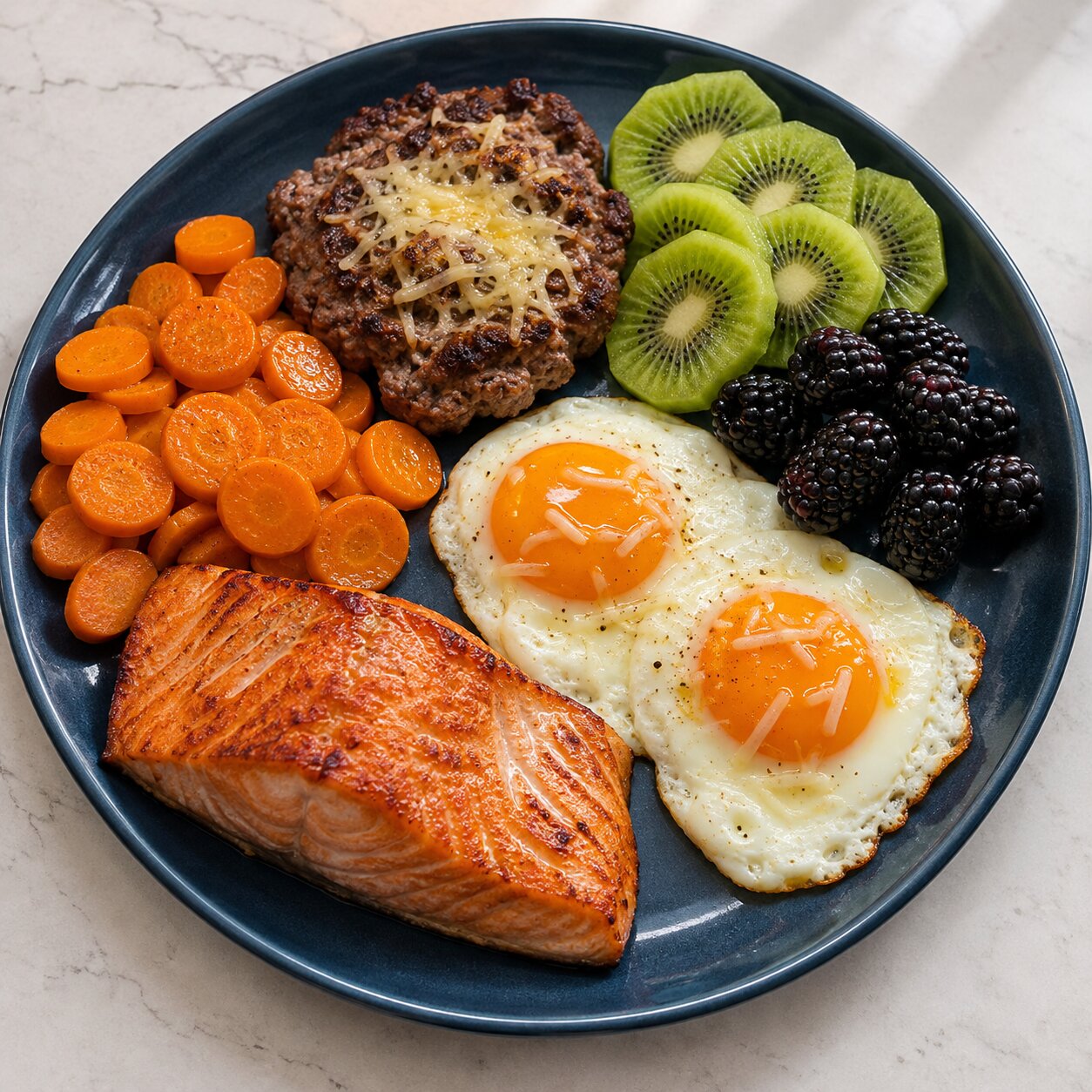
After day 28: Reintroduce one excluded food group at a time, with 2 to 3 days back on the base menu between groups, rather than adding everything back together. Official Whole30 uses this approach after its full 30 days. To find out more about how to do this cleanse, follow the Whole30 meal guidelines at whole30.com.
After 28 days we then make whole and minimally processed foods the foundation of your meals and start to retest food: meat, fish, eggs, fruit, vegetables, beans, whole grains, nuts, and dairy or suitable alternatives.
Then match your portions to your goal. For adults pursuing fat loss, you start around 10% below estimated maintenance calories. THAT'S IT. Extreme diets don't last if you are changing your lifestyle. Extreme calorie restriction didn't work in the past for you, so try it our way.
For adults pursuing muscle gain, we can start around 10% above maintenance, alongside strength training.
After a month if you are still stuck, adjust calories again by 10%. Notice how this is a gradual change. We only change the calories after a whole month of effort. Changing your life is a slow process, do not rush this!
For healthy exercising adults, a practical protein target is about 0.8 grams per pound of body weight daily. We individualize that target when someone has substantial weight to lose or specific medical needs.
Watch your progress over several weeks and adjust. Your calorie estimate is a starting point, not a commandment carved into stone.
Focus on building your nutrition and don't rush into step 3 until you are confident with your new nutrition lifestyle. For some people they can do steps 2 and 3 in the same day. For others you might need to take a month fixing your nutrition before step 3. That's up to you!
BABY STEP 3. Build your engine / move your body.
Your heart and lungs are your vital pieces for a healthy life! Let's strengthen them.
Notice your current daily step count, now try to beat your average by 3000 steps, increasing until you hit the goal below.
Goal: Aim for 8,000 to 10,000 steps a day!
VO₂ max describes the maximum amount of oxygen your body can use during intense exercise. Think of it as one measure of your aerobic engine. Higher aerobic fitness is associated with a lower risk of early death, lower body fat percentage, and higher functionality as we age. This is about building the capacity to walk farther, climb stairs, play with your kids, and handle more of life.
Start with manageable walking, cycling, rowing, or other aerobic movement. Gradually build your duration and, when appropriate, add harder efforts.
Need help creating and following a fitness program?
BABY STEP 4. Build your muscle.
We want to feel strong and look strong. Let's be honest, who doesn't want to look better? Who doesn't want to feel better? Muscle is the necessary requirement for changing your body. We need muscle for life! Groceries. Sports. The stairs. The grandkids. The ability to get up off the floor. Never lose your ability to move.
Strength training builds and preserves muscle and helps you become more capable. Stronger muscles also support blood-sugar management, bone health, and independence as you age. Research links muscle-strengthening activity with a lower risk of early death, especially when combined with aerobic activity.
Begin with exercises and weights suited to your ability.
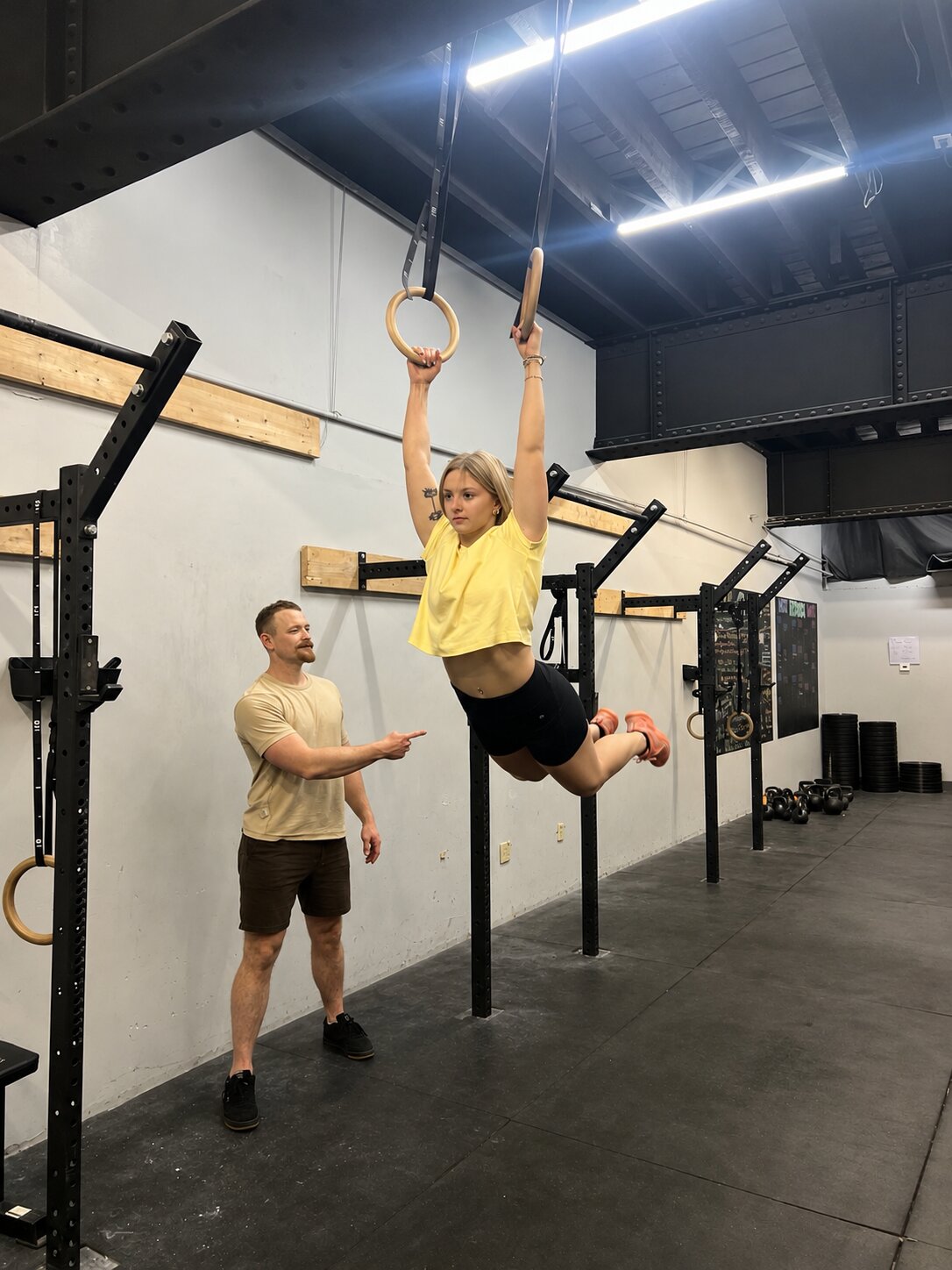
Need help creating and following a fitness program?
BABY STEP 5. Get involved with community.
Humans need interaction. When we don't get around others who support us it can be detrimental to a healthy life.
Here's what can happen when we don't interact in healthy relationships regularly:
- Shorter life
- Higher stress
- Less joy/happiness
- Higher risk of chronic diseases
Things that can happen in good community:
- Stress and emotional well-being: support makes hard periods easier to handle.
- Sleep and healthy habits: connection is linked with better sleep and more healthy eating and physical activity.
- Long-term health: social isolation is associated with higher risks of premature death and some illnesses. That's a population-level link, not a guarantee about any one person.
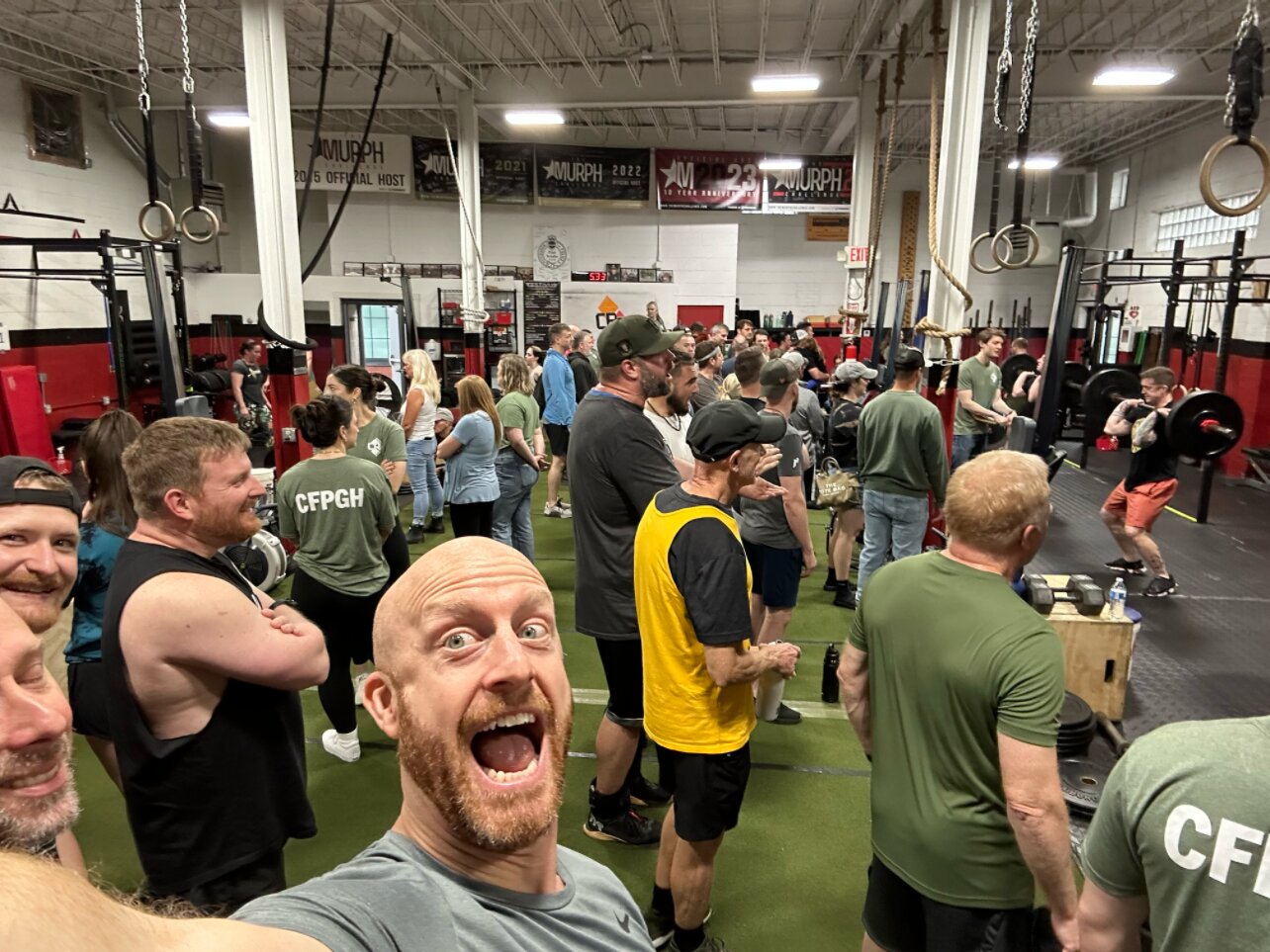
Need a good community to grow with?
BABY STEP 6. Put your plan on the calendar and a coach in your corner.
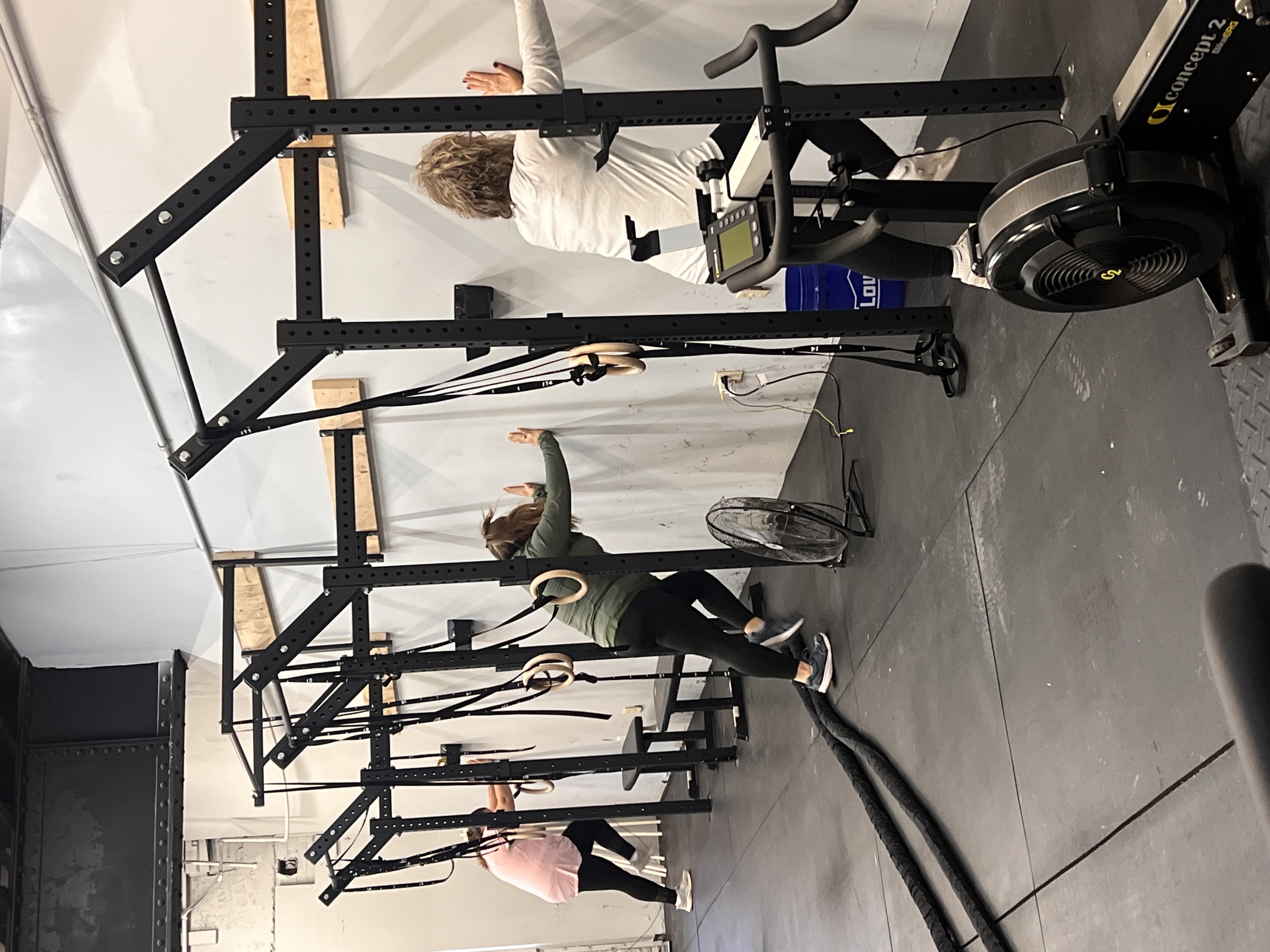
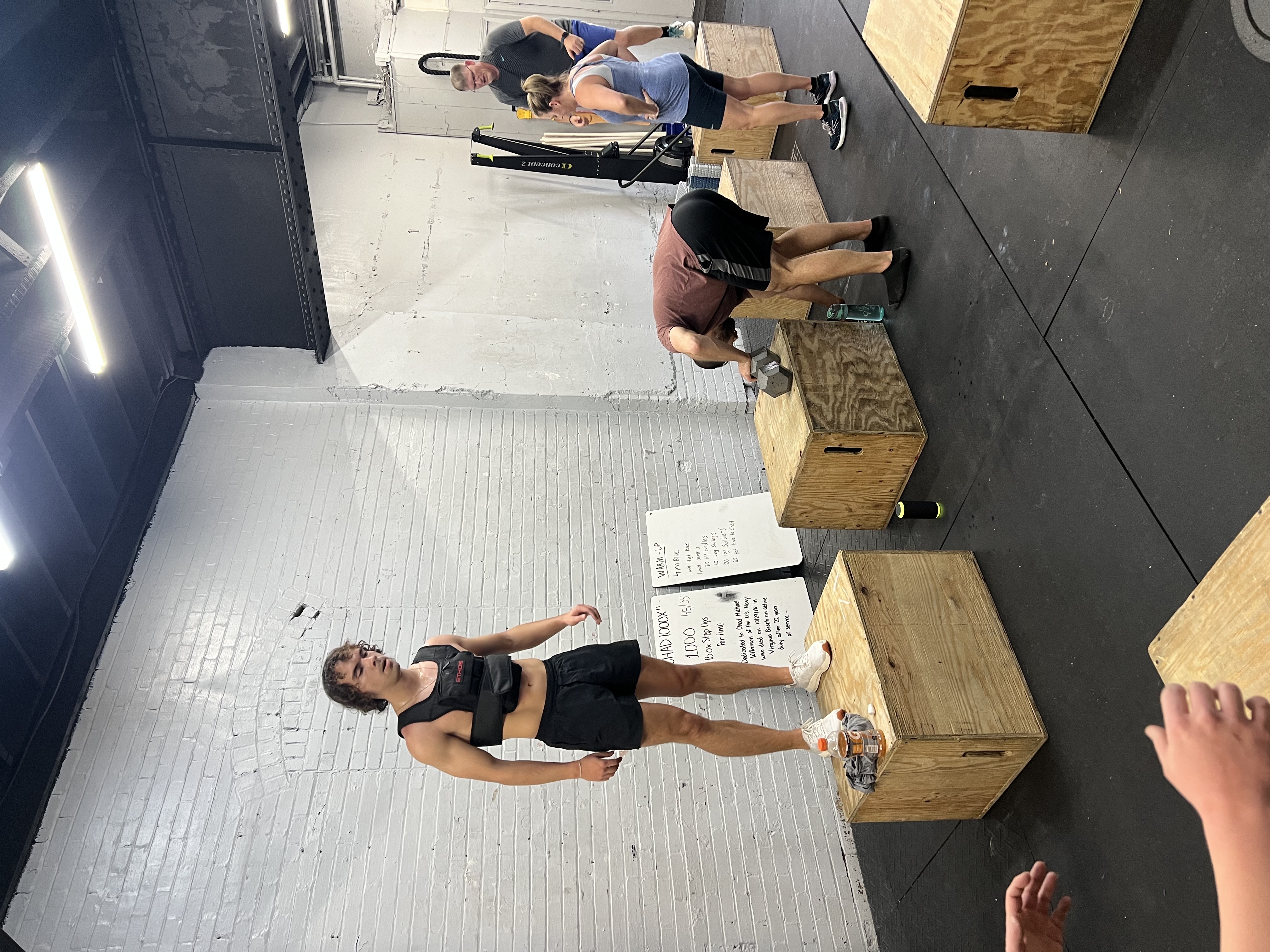
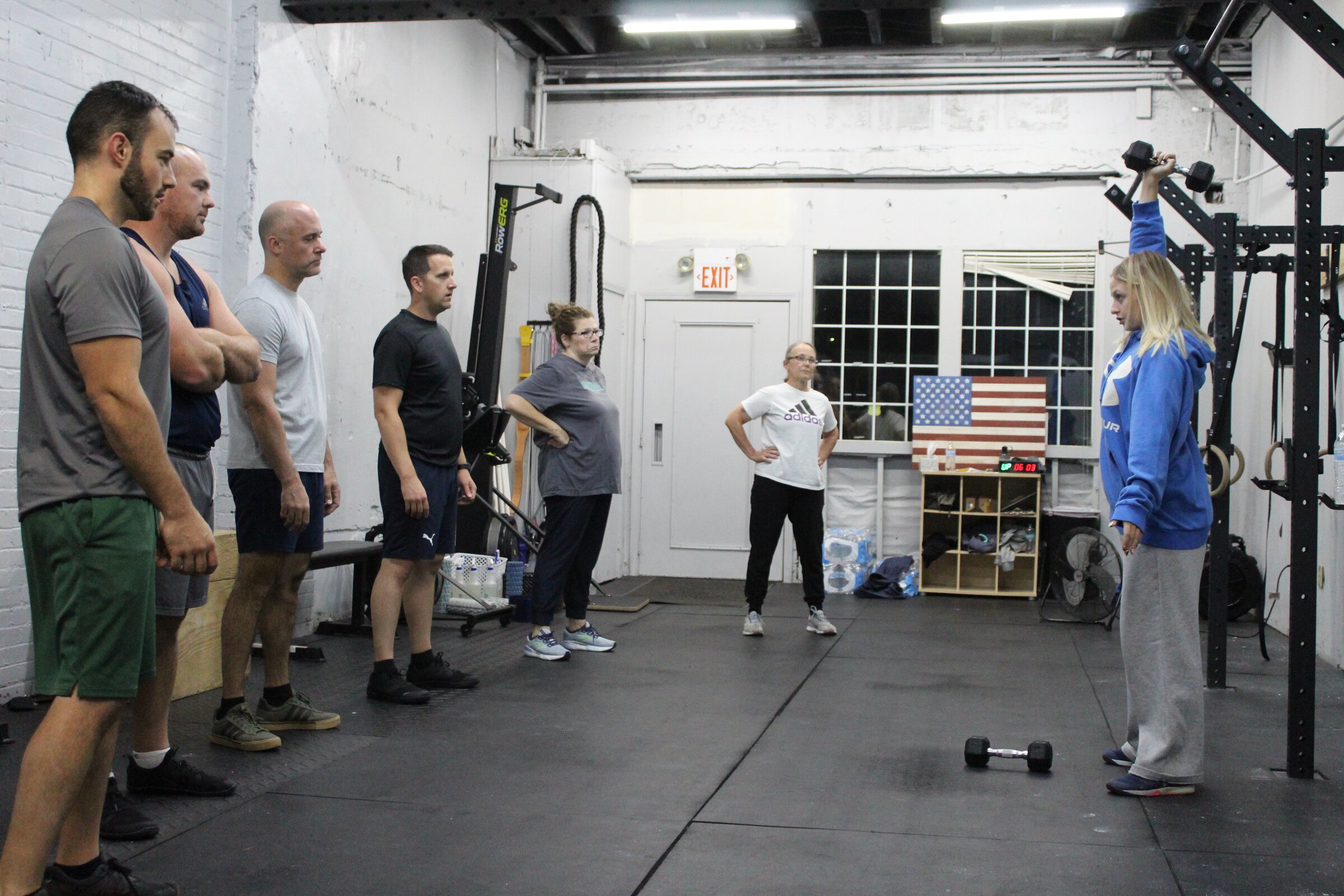
JUST SHOW UP. You shouldn't have to become an exercise scientist to start exercising. At Global Functional Fitness, the programming is done for you, and every session is led by a coach. This is for the beginner to pro athlete. We work with a full range of individuals and have helped hundreds of people change their lives.
We guide you through the workout, help you choose an appropriate starting point, and adjust movements to your ability. Your job is to show up, communicate, and practice. We help you work through the next step.
BABY STEP 7. Get good at coming back.
Always evolving, changing again and again. A missed workout doesn't cancel your progress. One meal doesn't define your health. Review what's working. Adjust what isn't. Return to your next manageable action. You're building habits you can use through busy seasons, holidays, and imperfect weeks.
Start with one manageable change, then build. You can work on sleep while also taking a walk or improving a meal. Then we keep refining the process until you hit your goal: a six pack, energy, to get off medication, to feel confident again, etc… Keep refining and working until you hit your goals!
At GFF, you bring your starting point. We help you take the next step.
Click the link to start your fitness journey today!